Source Montessori Wooden Tool Box for Learning, Play, and Storage
Explore 30 listings for the montessori wooden tool box, featuring varied sizes, materials, and age ranges from suppliers in China. Buyers can compare specifications, prices, and MOQs to find suitable options for early education and developmental play.
Key considerations
Products List
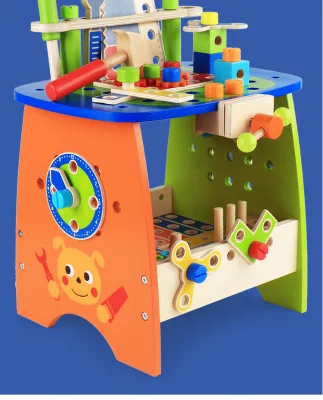
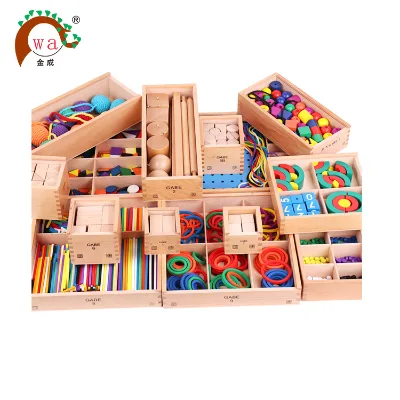
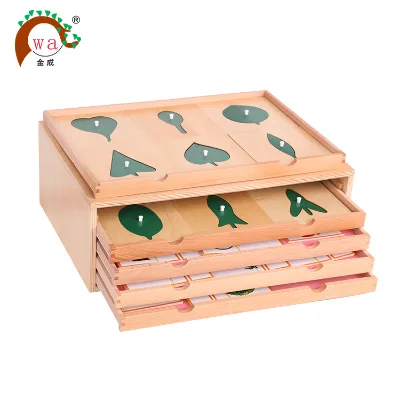
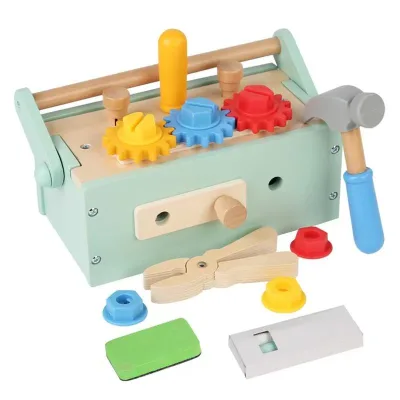
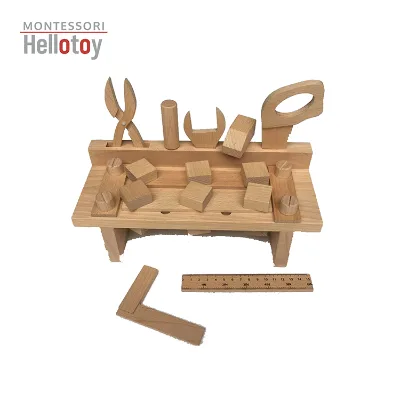
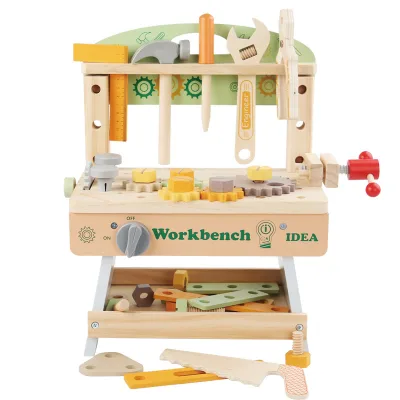


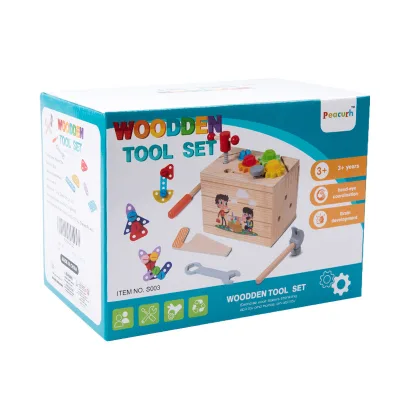
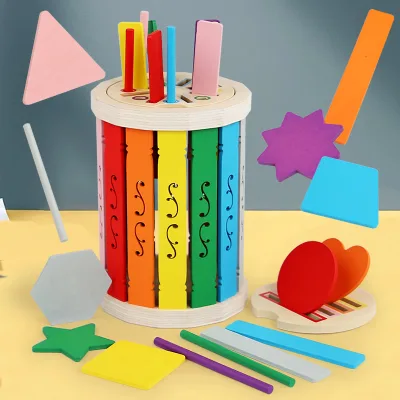
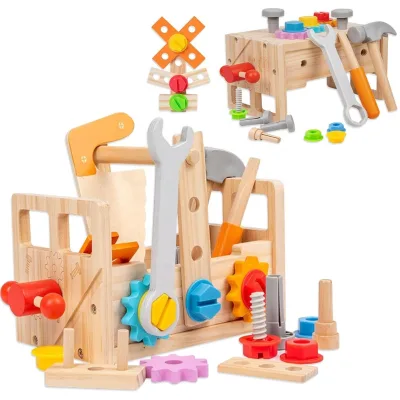


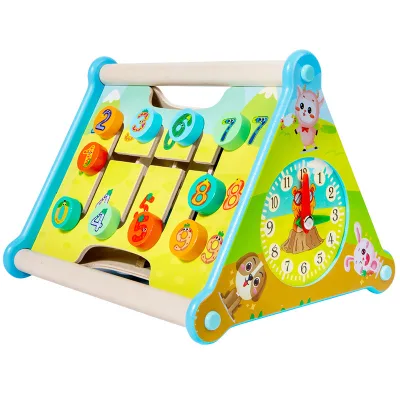


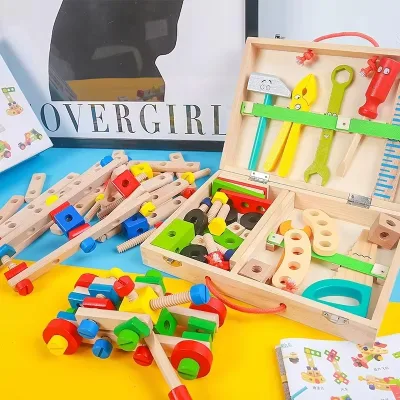
Comprehensive Sourcing Guide
Strategic Sourcing Guide for Montessori Wooden Tool Boxes
The global demand for educational toys rooted in Montessori philosophy has driven a significant shift in B2B procurement strategies, particularly for items like wooden tool boxes. These products are not merely playthings but are designed to foster fine motor skills, cognitive development, and a sense of order in young children. For procurement professionals, sourcing these items requires a nuanced understanding of material specifications, regulatory compliance, and supply chain logistics. This guide provides a structured approach to evaluating suppliers and products, ensuring that the final selection aligns with both educational standards and business requirements.
Technical Specifications and Material Integrity
The foundation of a high-quality Montessori wooden tool box lies in its material composition and physical dimensions. Unlike mass-produced plastic alternatives, these toys rely heavily on the tactile properties of wood. In the current market, specifications often cite "Wood" as the primary material, with a specific emphasis on "Natural Wood Color" to maintain an authentic aesthetic that appeals to the Montessori method's focus on reality and simplicity.
When evaluating product listings, buyers must scrutinize the single package size and gross weight, as these factors directly influence shipping costs and inventory management. For instance, observed specifications for similar educational toys indicate a single package size of approximately 45x33x10 cm with a gross weight of 7.000 kg. However, variations exist; some portable tool box models are significantly lighter, with weights recorded as low as 1kg or even 0.0 kg in specific data points, suggesting different construction densities or packaging methods. The model numbers, such as JC19-0329 or HTP0372, serve as unique identifiers for these variations.
A critical technical distinction is the presence or absence of a battery. High-confidence data confirms that many wooden educational toys in this category are "Battery: No," relying entirely on mechanical interaction. This absence of electronic components simplifies the supply chain by removing the need for battery safety certifications and reduces the risk of product failure due to power issues. Furthermore, the "Single gross weight" and "Single volume" are essential for calculating freight costs. Buyers should verify if the product dimensions are listed in centimeters or inches and ensure the volume calculation (e.g., 0 cm³ vs. actual cubic measurements) is accurate to avoid unexpected logistics expenses.
Compliance and Certification Verification
In the B2B toy market, compliance is non-negotiable. The safety of children is the paramount concern, and suppliers must provide verifiable documentation to prove their products meet international safety standards. The observed data highlights specific certifications such as EN71 and ISO9001. EN71 is the European standard for toy safety, covering mechanical and physical properties, flammability, and chemical migration. ISO9001 indicates that the manufacturer adheres to a quality management system, which is a strong indicator of consistent production processes.
Buyers should not assume that all listed products automatically possess these certifications. The presence of a certificate in a product description is an observation, not a guarantee of current validity. Procurement teams must request the actual test reports from the supplier to verify that the specific model number (e.g., JC19-0340 or BYAA2026070206) has been tested under the cited standards. Additionally, while FSC (Forest Stewardship Council) certification is a relevant background consideration for sustainable sourcing, it should not be treated as a concrete claim unless explicitly supported by the supplier's documentation.
The "Place of Origin" is another critical compliance factor. Most observed products originate from Zhejiang or Jiangsu, China, regions known for their manufacturing capabilities. However, the specific port of dispatch, such as Ningbo or Shanghai, can impact the speed and cost of delivery. Buyers must ensure that the supplier's location aligns with their logistics strategy and that the origin country's export regulations do not pose barriers to entry in the target market.
Cost Drivers and Pricing Dynamics
Understanding the cost structure of wooden tool boxes is essential for effective budgeting. The observed price range in the market spans from $2.5 to $48.68 USD, a wide variance that reflects differences in material quality, complexity of design, and branding. The "Sample price" for certain items, such as a portable tool box, can be as high as $40, which may seem disproportionate to the unit cost but often covers the setup and customization fees for a prototype.
The Minimum Order Quantity (MOQ) is a significant driver of total cost. Data indicates an MOQ range from 1 to 1000 sets. Some suppliers offer a low MOQ of 8 sets or 24 sets, which is ideal for testing the market or for smaller retailers. Conversely, other listings specify an MOQ of 1000 sets, which is typical for large-scale distributors seeking economies of scale. The "Selling Units" are often listed as "Single item," meaning the MOQ applies to individual units rather than pre-packaged sets, though some products come in "Color Box" packaging.
Buyers must also consider the "Supply Ability," which is listed as 5000 sets per month for certain suppliers. This metric helps determine if the supplier can meet demand during peak seasons. If a buyer requires 10,000 units, a supplier with a 5,000-unit capacity may require a staggered delivery schedule, impacting the overall lead time. The "OEM" and "ODM" acceptance policies also influence cost; suppliers accepting these services may charge a premium for customization but offer greater flexibility in branding and design.
Typical Applications and Target Demographics
Montessori wooden tool boxes are designed with specific developmental goals in mind, making them suitable for a wide range of educational settings. The "Age Range" observed in the market is diverse, covering "0 to 24 months," "2 to 4 years," "5 to 7 years," and "8 to 13 years." This broad spectrum indicates that the product line includes items for infants, toddlers, and older children, each requiring different levels of complexity and safety features.
The "Function" of these toys is primarily "Education" and "Developing Intelligence." They are categorized as "Other Educational Toys" or "Kids Intelligent Learning Toys," emphasizing their role in cognitive and motor skill development. The "Style" is often described as "Earlier Education" or "Eductional Toys," highlighting their use in early childhood education programs. The "Gender" is consistently listed as "Unisex," ensuring that the product is inclusive and suitable for all children regardless of gender.
In a commercial context, these tools are used in Montessori classrooms, preschools, and home learning environments. The "Keywords" associated with these products, such as "Kids Toy Tool Set," suggest that they are often marketed as comprehensive sets containing various tools for children to mimic adult activities. This mimicry is a core tenet of the Montessori method, allowing children to engage in "real work" that builds confidence and independence.
Supplier Evaluation and Operational Capabilities
Selecting the right supplier involves more than just comparing prices; it requires a holistic evaluation of their operational capabilities. The "Brand Name" varies, with options like "CHINA-WA," "Beiyang," and "Montessori Hellotoy." While brand recognition can be a factor, the focus should remain on the supplier's ability to deliver consistent quality. The "Packing Details," such as "white box, carton," are crucial for ensuring that products arrive in good condition.
Buyers should verify the "Port of dispatch" to understand the logistics chain. Suppliers based in Jiangsu or Zhejiang typically ship from Ningbo or Shanghai, which are major ports with efficient handling capabilities. The "Lead time" is not explicitly provided in the data, but the "Supply Ability" of 5000 sets per month suggests a production capacity that can be leveraged for large orders. However, buyers must confirm if this capacity is available immediately or if it requires a production lead time.
The "OEM/ODM" acceptance is a key differentiator. Suppliers that accept these services can customize the product to meet specific branding needs, such as adding a logo or altering the color scheme. The "Color" options, ranging from "Picture" to "Multi" to "Natural Wood Color," offer flexibility in product presentation. Buyers should request samples to verify that the color accuracy matches the product description, as "Picture" colors may differ from the actual physical product.
Quality Control and Long-Term Procurement Strategies
Ensuring long-term success in sourcing Montessori wooden tool boxes requires a robust quality control (QC) strategy. Given the "Material: Wood," buyers must inspect for defects such as splinters, rough edges, or uneven finishes that could pose safety hazards. The "Single gross weight" and "Single package size" should be consistent across batches to ensure predictable shipping costs and inventory planning.
For long-term procurement, buyers should establish a relationship with suppliers who demonstrate a commitment to quality and compliance. The presence of certifications like EN71 and ISO9001 is a good starting point, but ongoing verification is necessary. Buyers should request regular test reports and conduct third-party inspections if the order volume is significant. The "Model Number" should be strictly maintained to ensure that the product specifications do not drift over time.
Additionally, buyers should consider the "Style" and "Function" of the product in the context of market trends. As the demand for educational toys grows, suppliers may introduce new features or designs. Maintaining open communication with the supplier regarding future product developments can help buyers stay ahead of the competition. The "Sample price" and "MOQ" should be negotiated based on the long-term volume potential, rather than just the initial order size.
In conclusion, sourcing Montessori wooden tool boxes requires a meticulous approach that balances technical specifications, compliance, cost, and supplier capabilities. By carefully evaluating the data points provided and adhering to strict quality control measures, buyers can secure a reliable supply chain that meets the high standards of the educational toy market. The diversity in age ranges, materials, and certifications offers ample opportunity for customization, but it also demands a disciplined procurement process to ensure that every product delivered is safe, effective, and aligned with the core values of the Montessori method.
FAQs
What certifications do these wooden tool boxes hold?
Many listed products hold EN71 and ISO9001 certifications. Buyers must verify specific test reports for each model number to ensure current validity before purchasing.
Which age ranges are suitable for these educational toys?
Products cover ranges from 0 to 24 months up to 8 to 13 years. Select the specific age group based on the child's developmental needs and the toy's complexity.
How does the minimum order quantity vary for these items?
MOQs range from 8 sets to 1000 sets depending on the supplier. Smaller retailers may find options with low MOQs, while distributors often face higher volume requirements.
Can these toys be customized with specific branding?
Most suppliers accept OEM and ODM services for customization. Buyers should confirm specific branding requirements and any associated costs before placing a bulk order.
What is the typical material used for these tool boxes?
The primary material is wood, often featuring a natural wood color. This ensures the authentic aesthetic required by Montessori educational standards and safety guidelines.
Where are these products typically manufactured and shipped from?
Products originate from Zhejiang or Jiangsu, China, and ship from ports like Ningbo or Shanghai. Buyers should verify the specific port to calculate accurate logistics costs.
Do these educational toys require batteries to operate?
No, these wooden toys do not require batteries. They rely on mechanical interaction, which simplifies the supply chain and reduces power-related safety risks.